Empowering through
body literacy.
An unbiased, stigma-free resource for understanding your body, your cycle, and the options available to you. Let's unlearn the myths and focus on the facts.
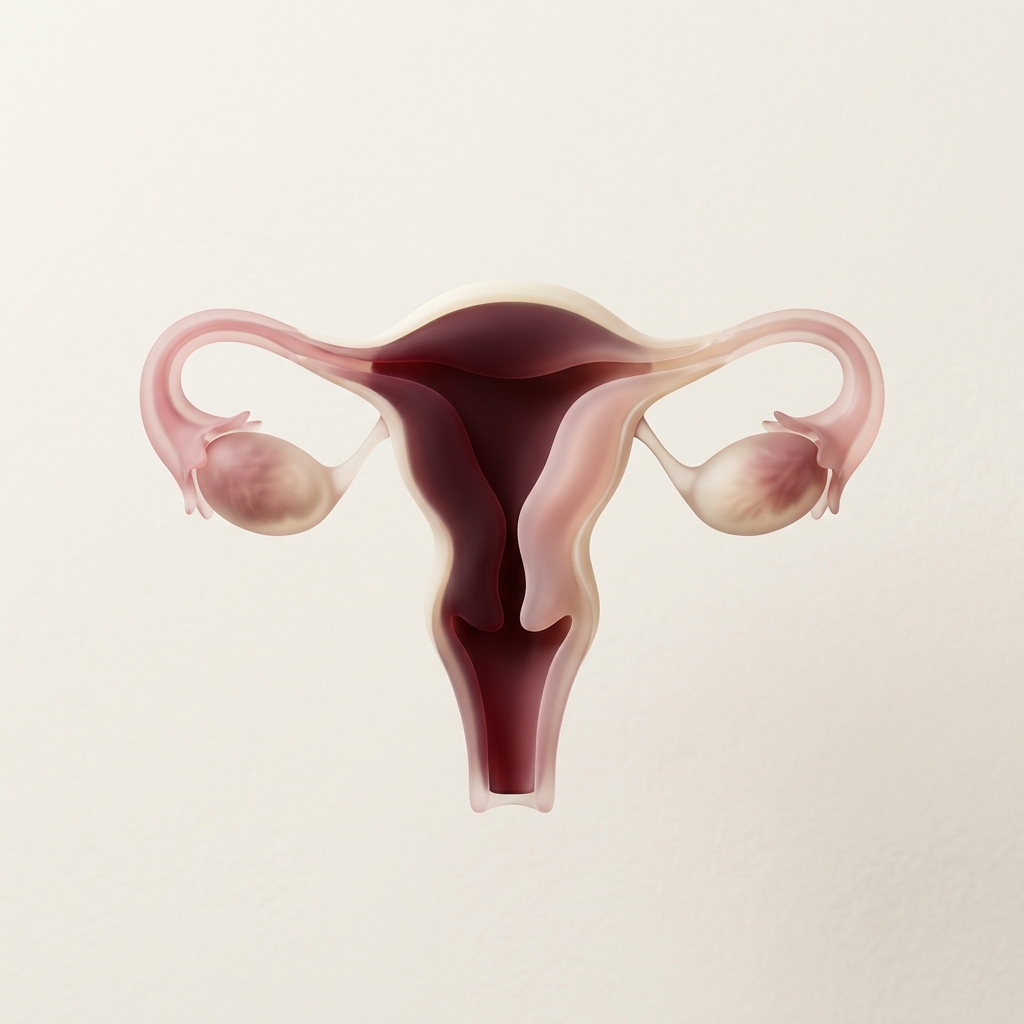
Anatomy 101
Understanding your own biology is the first step to advocating for your health.
What's Next?
Right now, we're putting all our energy into education and Periodt Talks. But behind the scenes? We're dreaming up products we'd actually want to use. We're teaming up with schools and community groups to make sure these essentials get into the hands of people who need them, for free.
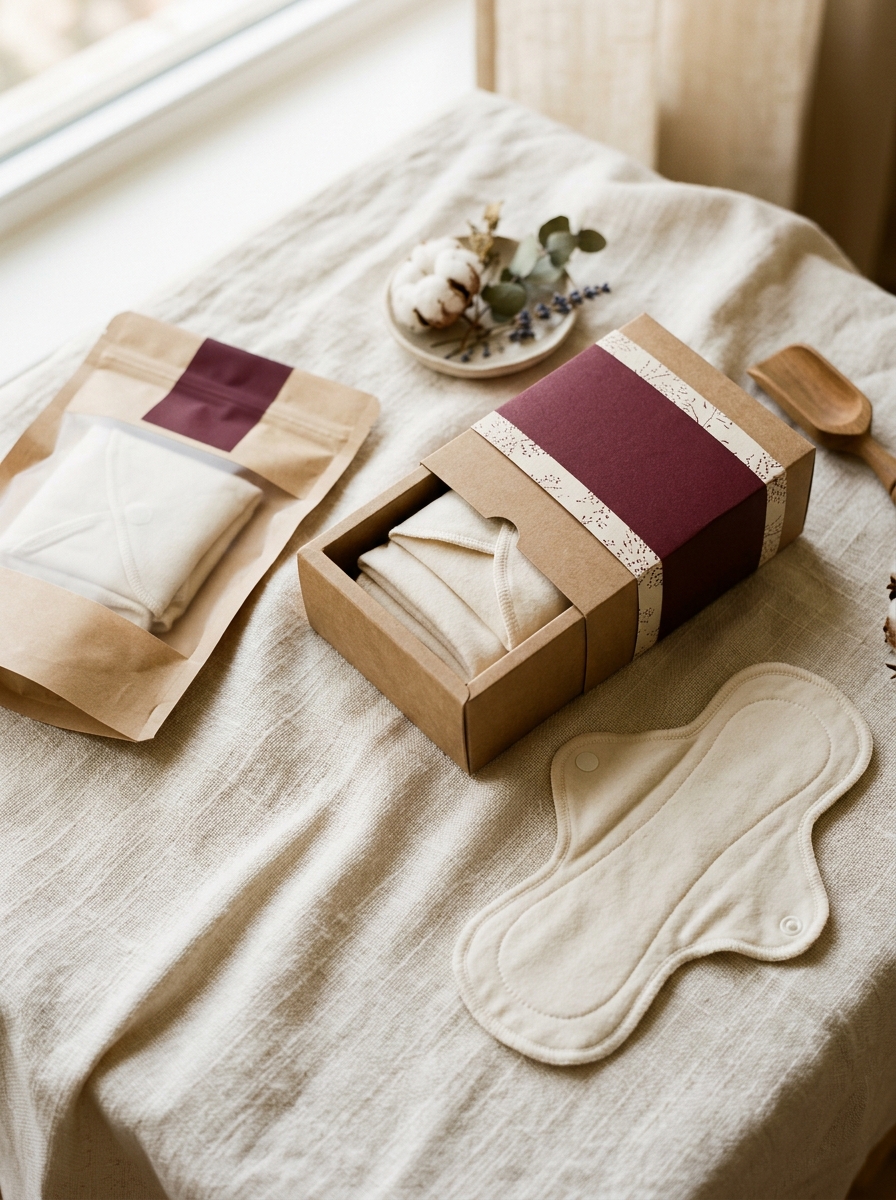
Biodegradable Pads
We're designing pads that are actually good for the planet and don't feel like you're wearing a diaper. No compromises on comfort.
Included / Features
- Panty Liners for just-in-case days
- Normal Flow for your everyday
- Heavy Flow for peace of mind
- Overnight Flow so you can actually sleep
It's Not Just Cramps
Validating the invisible struggles. If your period is debilitating, it's worth a conversation with a doctor. You know your body best.
A hormonal disorder common among women of reproductive age. It can cause prolonged or infrequent menstrual periods and affects how the ovaries function.
Common Symptoms
- • Irregular periods
- • Excess androgen (facial hair, acne)
- • Polycystic ovaries on ultrasound
The Hormone Glossary
The chemical messengers running the show.
Estrogen
Rises during the follicular phase to rebuild the uterine lining and mature the egg. Often brings higher energy levels and glowing skin.
Progesterone
Dominates the luteal phase. It stabilizes the uterine lining for a potential pregnancy. If none occurs, levels drop, triggering your period. Can cause fatigue or moodiness.
Luteinizing Hormone (LH)
A sudden spike in LH triggers the release of the egg from the ovary, known as ovulation.
Follicle-Stimulating Hormone (FSH)
Stimulates the growth of ovarian follicles in the ovary before the release of an egg.